
Laboratories Against CBD Counterfeits: An Analysis
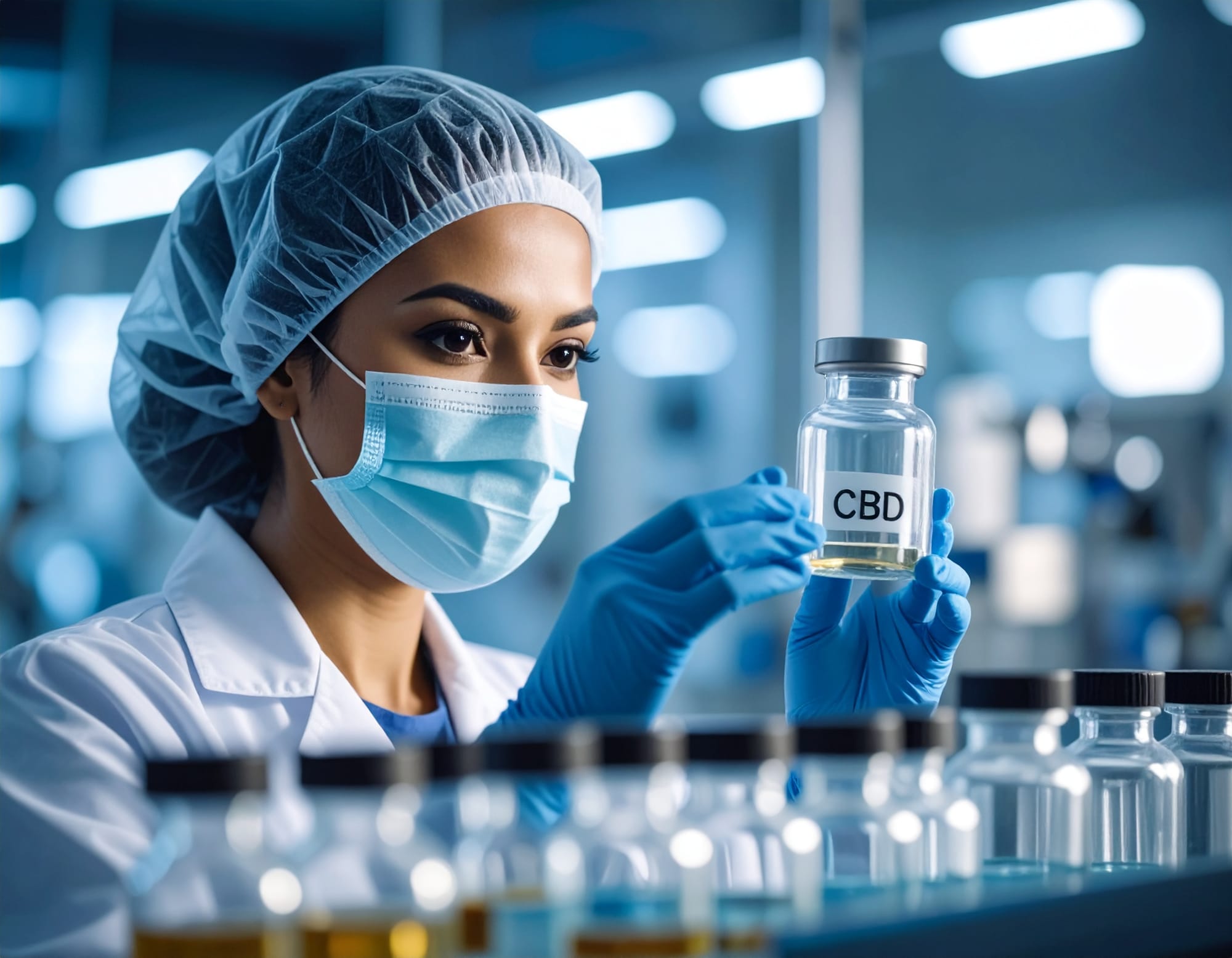
The market for cannabidiol (CBD) products has experienced exponential growth in recent years due to its popularity as a wellness supplement and its therapeutic potential. However, this boom has brought with it a significant problem: the proliferation of counterfeit or low-quality products. Specialized laboratories play a crucial role in detecting these products, ensuring consumer safety and market integrity. This article explores the importance of laboratories in identifying counterfeit CBD products, the analytical methods employed, the associated challenges, and the public health implications.
Introduction to the problem of counterfeit CBD products
CBD, a non-psychoactive compound derived from cannabis, is marketed in a wide variety of products, from oils and capsules to edibles and cosmetics. Its popularity is due to preliminary studies suggesting benefits for conditions such as anxiety, chronic pain, and epilepsy (Millar et al., 2019). However, the lack of strict regulation in many countries has allowed counterfeit or mislabeled products to enter the market. These products may contain incorrect concentrations of CBD, contaminants such as heavy metals or pesticides, or even undeclared compounds such as tetrahydrocannabinol (THC), the psychoactive component of cannabis (Bonn-Miller et al., 2017).
Counterfeit products pose a significant risk to consumers, as they may not deliver the promised benefits or, worse, cause adverse effects. Accredited laboratories are essential to detect these irregularities, using advanced analytical techniques to verify the composition, purity and safety of CBD products.
Analytical methods used in laboratories
Laboratories employ a combination of analytical techniques to detect counterfeit CBD products. These techniques must be accurate, sensitive and capable of identifying both active components and contaminants. The most common methods are described below:
Gas and liquid chromatography coupled to mass spectrometry (GC-MS and LC-MS).
Gas chromatography (GC-MS) and high-performance liquid chromatography (HPLC) coupled to mass spectrometry (LC-MS) are fundamental tools to analyze the composition of CBD products. These techniques allow identifying and quantifying cannabinoids, such as CBD and THC, as well as detecting organic contaminants, such as residual solvents or pesticides (Pavlovic et al., 2018). For example, one study found that 70% of CBD products tested contained CBD concentrations different from those declared on the label, and some even contained undeclared THC (Bonn-Miller et al., 2017).
2. Infrared and Raman Spectroscopy
Fourier transform infrared spectroscopy (FTIR) and Raman spectroscopy are used to analyze the chemical structure of CBD products. These non-destructive techniques are useful to verify the presence of CBD and detect adulterants, such as synthetic compounds that mimic the effects of CBD (Hazekamp et al., 2016).
3. Heavy metal analysis
Heavy metal contamination, such as lead, arsenic or mercury, is a concern in CBD products derived from hemp plants grown in contaminated soils. Inductively coupled plasma mass spectrometry (ICP-MS) is a standard technique for detecting and quantifying these contaminants, ensuring that levels are below safe limits set by agencies such as the World Health Organization (WHO) (Russo, 2016).
4. Microbiological tests
CBD products, especially edibles and topicals, may be contaminated with microorganisms such as Escherichia coli, molds or yeasts. Laboratories use culture and PCR (polymerase chain reaction) techniques to detect the presence of pathogens, ensuring that products are safe for consumption (McKernan et al., 2016).
Challenges in the detection of counterfeit products
Despite advances in analytical techniques, laboratories face several challenges in detecting counterfeit CBD products:
- Lack of standardization: The absence of international standards for the production and labeling of CBD products makes it difficult to verify their authenticity. Laboratories must adapt to local regulations that vary widely (Corroon & Kight, 2018).
- Synthetic cannabinoids: Some counterfeit products contain synthetic cannabinoids, such as Spice or K2, which are difficult to detect without advanced analytical methods (Huestis et al., 2017).
- Complex matrix: CBD products, such as edibles or topicals, often contain multiple ingredients, which complicates analysis and requires sophisticated extraction methods (Pavlovic et al., 2018).
- High costs: Analytical tests are expensive, which can limit the ability of small producers to perform thorough quality controls, leaving room for counterfeit products in the market.
Public health implications
The detection of counterfeit CBD products has significant public health implications. Mislabeled or contaminated products can cause adverse effects, such as intoxications or allergic reactions, especially in vulnerable populations such as children or people with pre-existing medical conditions (Wong & King, 2020). In addition, the presence of undeclared THC can lead to unexpected psychoactive effects, posing a particular risk to consumers seeking non-psychoactive products.
On the other hand, laboratories contribute to building confidence in the CBD market by ensuring that products meet safety and quality standards. This is especially important in a context where consumers rely on information provided by manufacturers, which is not always accurate.
The role of regulation and collaboration
To maximize the impact of laboratories in detecting counterfeit products, increased regulation and collaboration among industry players is essential. Governments should establish clear standards for the production, labeling and testing of CBD products. In addition, collaboration between laboratories, manufacturers, and regulatory agencies can facilitate data sharing and the adoption of best practices (Corroon & Kight, 2018).
For example, in the United States, the Food and Drug Administration (FDA) has begun issuing guidance to the CBD industry, although full federal regulations are not yet in place. In Europe, the European Food Safety Authority (EFSA) classifies CBD products as “novel foods,” requiring rigorous testing prior to marketing. These initiatives underscore the importance of laboratories in regulatory compliance.
Conclusion
Specialized laboratories are a fundamental pillar in the fight against counterfeit CBD products. Through advanced analytical techniques, such as chromatography, spectroscopy and microbiological testing, these laboratories ensure product safety and quality, protecting consumers and strengthening confidence in the marketplace. However, challenges related to lack of standardization, high costs and product complexity require greater collaboration between regulators, manufacturers and laboratories. As the CBD market continues to grow, the role of laboratories will become even more crucial to ensure a safe and sustainable future for this industry.
References
- Bonn-Miller, M. O., Loflin, M. J., Thomas, B. F., Marcu, J. P., Hyke, T., & Vandrey, R. (2017). Labeling accuracy of cannabidiol extracts sold online. JAMA, 318(17), 1708-1709. doi:10.1001/jama.2017.11909.
- Corroon, J., & Kight, R. (2018). Regulatory status of cannabidiol in the United States: A perspective. Cannabis and Cannabinoid Research , 3(1), 190-194. doi:10.1089/can.2018.0030
- Hazekamp, A., Tejkalová, K., & Papadimitriou, S. (2016). Cannabis: From cultivar to chemovar II-A metabolomics approach to cannabis classification. Cannabis and Cannabinoid Research, 1(1), 202-215. doi:10.1089/can.2016.0017
- Huestis, M. A., Solimini, R., Pichini, S., Pacifici, R., Carlier, J., & Busardò, F. P. (2017). Cannabidiol adverse effects and toxicity. Current Neuropharmacology , 15(4), 602-611. doi:10.2174/1570159X15666161130152230
- McKernan, K., Spangler, J., Zhang, L., Tadigotla, V., Helbert, Y., Foss, T., & Smith, D. R. (2016). Microbial safety testing of cannabis. Cannabis Safety Institute .
- Millar, S. A., Stone, N. L., Yates, A. S., & O’Sullivan, S. E. (2019). A systematic review on the pharmacokinetics of cannabidiol in humans. Frontiers in Pharmacology , 9, 1365. doi:10.3389/fphar.2018.01365
- Pavlovic, R., Nenna, G., Calvi, L., Panseri, S., Borgonovo, G., Giupponi, L., … & Giorgi, A. (2018). Quality traits of “cannabidiol oils”: cannabinoids content, terpene fingerprint and oxidation stability of European commercially available preparations. Molecules, 23(5), 1230. doi:10.3390/molecules23051230
- Russo, E. B. (2016). Current therapeutic cannabis controversies and clinical trial design issues. Frontiers in Pharmacology, 7, 309. doi:10.3389/fphar.2016.00309
- Wong, S. S., & King, T. J. (2020). The safety profile of cannabidiol: A review. Journal of Cannabis Research , 2(1), 15. doi:10.1186/s42238-020-00023-3