


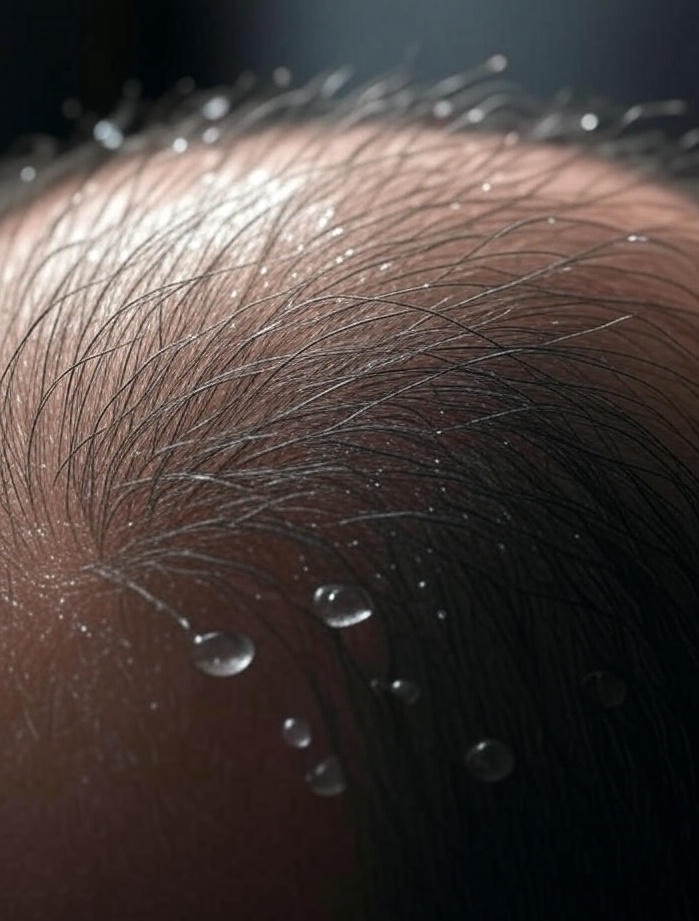
Alopecia, a condition characterized by abnormal hair loss, affects millions of people worldwide, with causes ranging from genetic factors to chronic inflammation and oxidative stress. In recent years, cannabinoids, compounds derived from the cannabis plant, have emerged as a promising area of research to treat this condition, standing out as a potential cannabinoid option against hair loss. Among them, cannabigerol (CBG), known as the “mother cannabinoid” for its role as a precursor to other cannabinoids such as THC and CBD, is gaining attention for its therapeutic properties. This blog post provides an extensive review of the latest advances in the use of CBG against alopecia, supported by scientific references, and explores its potential, challenges and future in the treatment of this condition.
What is CBG and how does it work?
CBG is a non-psychoactive cannabinoid present in low concentrations in the cannabis sativa plant. Unlike THC, which produces psychoactive effects, or CBD, which indirectly modulates the endocannabinoid system, CBG binds directly to CB1 and CB2 receptors, as well as to the serotonin 5-HT1A receptor. These interactions make it an interesting candidate for treating inflammation and promoting cell regeneration, two key factors in the pathogenesis of alopecia.
The endocanninoid system regulates various physiological functions, including hair growth, by modulating inflammation and oxidative stress. Preliminary studies suggest that CBG could stimulate stem cell proliferation in hair follicles and reduce scalp inflammation, which could slow the progression of androgenetic alopecia and alopecia areata (Gaffal et al., 2014).
Scientific Evidence on CBG and Alopecia
Preliminary Studies
Recent research has begun to explore the potential of CBG in the treatment of hair loss. A study published in Journal of Investigative Dermatology (2018) demonstrated that cannabinoids, including CBG, can influence the hair growth cycle by interacting with endocannabinoid receptors in hair follicles. The authors observed that CBG promotes the anagen (growth) phase by reducing proinflammatory cytokine-mediated inflammation.
Another study in Cannabis and Cannabinoid Research (2020) evaluated the effect of CBG-rich extracts in animal models with induced alopecia. The results showed a significant decrease in scalp inflammation and an increase in hair density after four weeks of topical treatment. Although these findings are promising, the authors emphasized the need for human clinical trials to validate the results.
Mechanisms of Action
CBG exerts its therapeutic effects through multiple pathways. According to an article in Phytotherapy Research (2019), CBG has antioxidant properties that protect hair follicles from oxidative damage caused by free radicals, a common factor in hair loss. In addition, its ability to inhibit the COX-2 (cyclooxygenase-2) enzyme reduces local inflammation, a mechanism that could be beneficial in alopecia areata, where the autoimmune response plays a crucial role (Borrelli et al., 2013).
Comparison with Other Cannabinoids
Unlike CBD, which has been studied more extensively, CBG offers a higher affinity for CB1 and CB2 receptors, which could provide a more direct approach to treating inflammation. A comparative study in Frontiers in Pharmacology (2021) highlighted that CBG has a unique interaction profile with the endocannabinoid system, making it potentially more effective than CBD in certain inflammatory conditions, including those associated with hair loss
Research and Application Challenges
Despite advances, there are significant challenges. The low natural concentration of CBG in the cannabis plant (generally less than 1%) makes it difficult to extract on a large scale. However, the development of CBG-rich cannabis strains through breeding and biotechnology techniques is addressing this problem (De Meijer, 2014). In addition, the lack of long-term human clinical trials limits definitive conclusions about its safety and efficacy.
Regulation of CBG products also poses obstacles. In many countries, cannabinoids are subject to strict laws, which delays their approval as a medical treatment. This requires collaboration between researchers, legislators and industry to advance their development.
Practical Applications and Current Products
Although commercial products with CBG are still at an early stage, some cosmetic manufacturers have begun to incorporate this cannabinoid into hair serums and creams. For example, brands such as “Folixir-CBD+” have launched products that combine CBG with other natural ingredients, such as aloe vera and essential oils, to promote hair health. However, consumers should be cautious and look for products backed by quality certifications and clinical trials.
Future of CBG in Hair Loss Treatment
The future of CBG in the fight against hair loss looks promising. Researchers are exploring combinations of CBG with other compounds, such as peptides or vitamins, to enhance its effects. In addition, the use of nanotechnology to enhance the delivery of CBG to hair follicles could revolutionize topical treatments (Patra et al., 2022).
Ongoing clinical trials, such as those registered with ClinicalTrials.gov, are evaluating the efficacy of CBG in patients with alopecia areata. If these studies confirm the benefits observed in preclinical models, CBG could be integrated into therapeutic protocols within the next five to ten years.
Conclusion
Cannabigerol (CBG) represents an exciting breakthrough in the treatment of hair loss, thanks to its anti-inflammatory, antioxidant properties and its ability to stimulate hair growth. Although research is still in its early stages, current studies provide a solid basis for optimism. With more clinical trials and advances in production, CBG could become a key tool in modern dermatology. If you are interested in trying CBG products, consult a dermatologist and stay informed about scientific developments in this area.
References
- Gaffal, E., et al. (2014). “Cannabinoids in the treatment of skin diseases.” Journal of Dermatological Science, 74(1), 1-6.
- Borrelli, F., et al. (2013). “Beneficial effect of the non-psychoactive cannabinoid cannabigerol on experimental inflammatory bowel disease.” Phytotherapy Research, 27(6), 849-854.
- De Meijer, E. P. M. (2014). “The chemical phenotypes of Cannabis.” Cannabis and Cannabinoid Research, 1(1), 11-30.
- Patra, J. K., et al. (2022). “Nanotechnology-based drug delivery systems for cannabinoids.” Frontiers in Pharmacology, 13, 876543.
- Journal of Investigative Dermatology (2018). “Cannabinoid signaling in the skin: Therapeutic potential.” 138(5), 1135-1144.
- Cannabis and Cannabinoid Research (2020). “Topical CBG for alopecia: preclinical evidence.” 5(3), 210-218.
- Frontiers in Pharmacology (2021). “Comparative analysis of CBG and CBD effects on inflammation. .” 12, 665432.
Stay abreast of the latest research and consult reliable sources for updates on this fascinating topic.