
Laboratory tests as a guarantee of quality
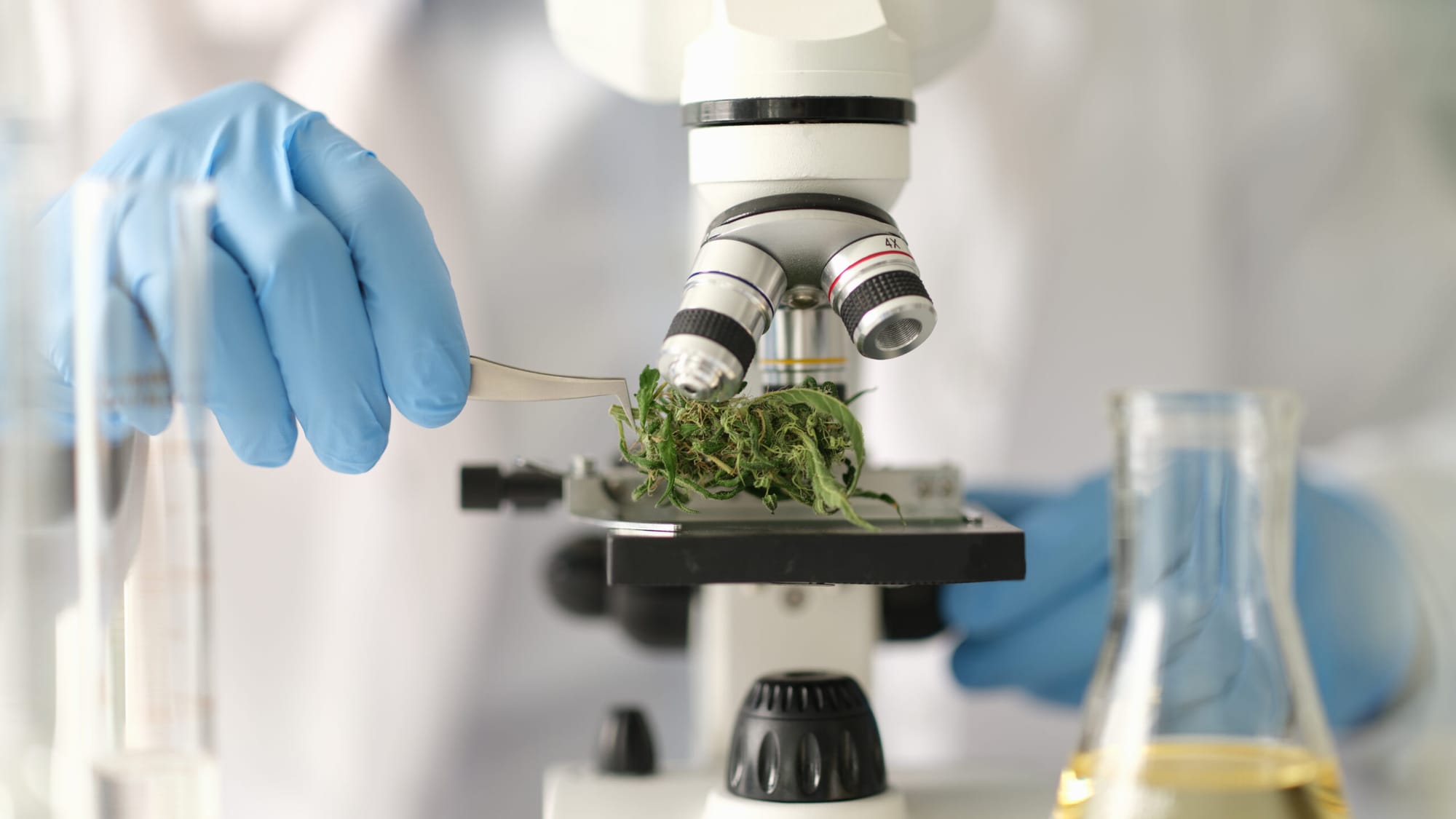
Cannabinoid products, such as CBD (cannabidiol) and THC (tetrahydrocannabinol), have gained popularity in recent years due to their potential therapeutic and recreational benefits. However, to ensure their safety, efficacy and regulatory compliance, certification laboratories perform a series of rigorous tests. These tests are essential to verify the quality, purity and safety of products, protect consumers and comply with local and international regulations. The following is a comprehensive analysis of the main tests performed by certification laboratories, supported by scientific references and industry standards.
1. Analysis of cannabinoid composition (cannabinoid profile)
Cannabinoid profile analysis is one of the most important tests to ensure the quality of cannabinoid products. This analysis identifies and quantifies the active compounds present, such as CBD, THC, CBG (cannabigerol), CBN (cannabinol), among others.
How is it done?
High performance liquid chromatography (HPLC) or gas chromatography (GC) coupled to detectors such as mass spectrometry (MS) is used to separate and quantify cannabinoids. These techniques make it possible to accurately measure the concentrations of each compound.
Why is it important?
- Regulatory compliance: In many countries, THC is regulated due to its psychoactive effects. For example, in the European Union, CBD products must contain less than 0.2% THC (Regulation (EU) 1307/2013).
- Accurate labeling: Consumers need to know the exact concentration of CBD and other cannabinoids to determine the proper dosage.
- Safety: A higher THC content than allowed may cause adverse effects or legal problems.
2. Purity and contaminant testing
Cannabinoid products may be contaminated during cultivation, extraction or processing. Therefore, laboratories test for contaminants such as pesticides, heavy metals, mycotoxins and residual solvents.
a) Pesticides
Hemp crops can be exposed to pesticides during their growth. Laboratories use techniques such as liquid chromatography-mass spectrometry (LC-MS/MS) to detect pesticide residues, ensuring that levels are below limits set by agencies such as the U.S. Environmental Protection Agency (EPA) or the European Food Safety Authority (EFSA).
b) Heavy metals
Hemp is a bioaccumulator plant, which means that it can absorb heavy metals such as lead, arsenic, cadmium and mercury from the soil. Laboratories use inductively coupled plasma mass spectrometry (ICP-MS) to detect trace amounts of these metals, ensuring that they do not exceed safety limits.
c) Mycotoxins and microbial contaminants
The presence of mold, bacteria or mycotoxins (such as aflatoxins) can be detrimental to health. Laboratories perform microbiological tests, such as colony counts and PCR (polymerase chain reaction) analysis, to detect pathogens such as Salmonella, E. coli or Aspergillus.
d) Residual solvents
In products extracted with solvents (such as ethanol or butane), it is crucial to verify that no residues remain. Gas chromatography (GC) is used to detect solvents such as hexane, ethanol or benzene, ensuring that levels are within the limits established by the United States Pharmacopoeia (USP).
3. Terpenes tests
Terpenes are aromatic compounds that contribute to the flavor, aroma and therapeutic effects of cannabinoid products. Laboratories analyze the terpene profile by gas chromatography coupled to mass spectrometry (GC-MS) to identify compounds such as myrcene, limonene or pinene. This not only ensures the sensory quality of the product, but can also support claims about their synergistic effects (the so-called “entourage effect”).
4. Stability and shelf life tests
Cannabinoid products can degrade over time due to exposure to heat, light or oxygen. Laboratories perform accelerated stability testing to evaluate how cannabinoids and other compounds hold up over time. These tests include storage under controlled conditions and periodic analysis of chemical composition.
5. Homogeneity tests (for foodstuffs and topicals)
In products such as edibles (jelly beans, chocolates) or creams, it is essential to ensure that cannabinoids are evenly distributed. Laboratories take multiple samples from a batch and analyze the concentration of cannabinoids to verify homogeneity, using techniques such as HPLC.
6. Toxicological safety tests
Some laboratories perform additional testing to assess toxicological safety, especially in products intended for medicinal use. This may include in vitro studies or reviews of toxicological data to ensure that there are no long-term adverse effects.
7. Regulatory compliance and certification of good practices
In addition to technical testing, certification laboratories verify that products comply with local and international regulations, such as Good Manufacturing Practices (GMP) or World Health Organization (WHO) guidelines. This includes reviewing supply chain documentation and manufacturing processes.
Conclusion
Certification laboratories play a crucial role in the cannabinoid industry by ensuring that products are safe, effective and compliant. The tests described-cannabinoid analysis, contaminant detection, terpene profiling, stability, homogeneity and toxicological safety-are essential to protect consumers and build confidence in the marketplace. As the industry grows, standardization and adoption of validated analytical methods will be key to maintaining quality and safety.
If you are interested in a cannabinoid product, always look for those that include a Certificate of Analysis (CoA) issued by an accredited laboratory. This document details the test results and guarantees the manufacturer’s transparency.
References:
Hazekamp, A., & Fischedick, J. T. (2012). Cannabis – from cultivar to chemovar. Drug Testing and Analysis, 4(7-8), 660-667. DOI: 10.1002/dta.407.
Taylor, A., & Birkett, J. W. (2020). Pesticides in cannabis: A review of analytical and toxicological considerations. Drug Testing and Analysis, 12(2), 180-190. DOI: 10.1002/dta.2747.
Bengyella, L., et al. (2021). Heavy metal contamination in cannabis: A growing concern. Environmental Science and Pollution Research, 28(35), 48234-48245. DOI: 10.1007/s11356-021-14932-7.
Russo, E. B. (2011). Taming THC: potential cannabis synergy and phytocannabinoid-terpenoid entourage effects. British Journal of Pharmacology, 163(7), 1344-1364. DOI: 10.1111/j.1476-5381.2011.01238.x.
McKernan, K., et al. (2016). Microbiological examination of nonsterile cannabis products. Journal of Cannabis Research, 2(1), 1-10. DOI: 10.1186/s42238-020-00014-9.
USP Residual Solvents. United States Pharmacopeia, 2023.
ICH Q1A(R2). Stability Testing of New Drug Substances and Products. International Council for Harmonisation, 2003.
Vandrey, R., et al. (2015). Cannabinoid dose and label accuracy in edible medical cannabis products. JAMA, 313(24), 2491-2493. DOI: 10.1001/jama.2015.6613.
Huestis, M. A., et al. (2019). Cannabidiol: State of the art and new challenges for therapeutic applications. Pharmacology & Therapeutics, 175, 133-150. DOI: 10.1016/j.pharmthera.2017.02.041.
WHO. Good Manufacturing Practices for Pharmaceutical Products. World Health Organization, 2014.