Cannabinoids: Scientific Guide.
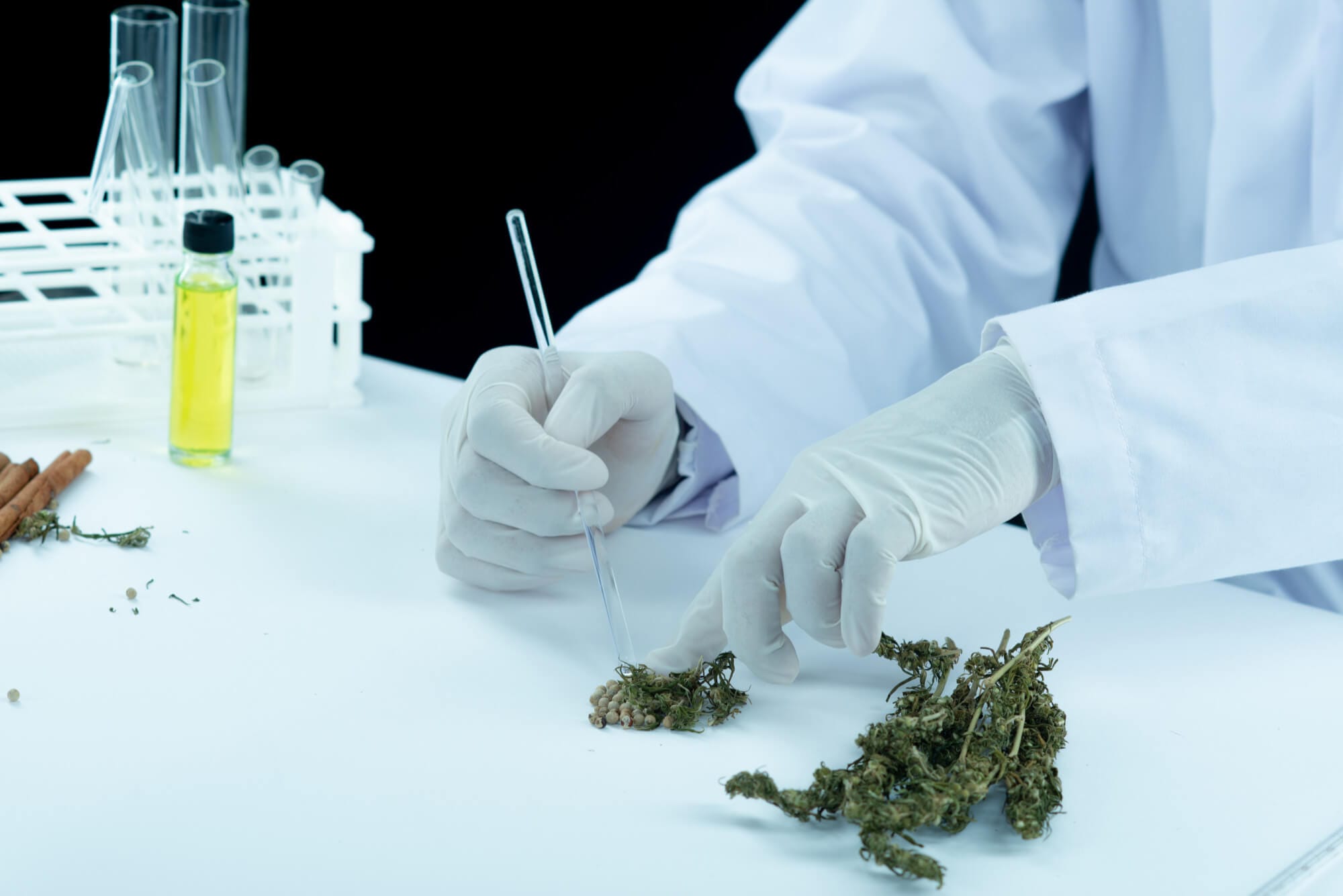
Cannabinoids are the most important active compounds in cannabis, responsible for its therapeutic, psychoactive and endocannabinoid system modulating effects. If you are interested in learning more, this is your chance to consult the “Cannabinoids: A Scientific Guide”. But did you know that not all cannabinoids are the same? There are acidic and neutral forms, major and minor cannabinoids, each with unique properties.
In this article, we explore:
- What are cannabinoids and how are they classified?
- Differences between acidic (THCA, CBDA) and active forms (THC, CBD)
- Minor cannabinoids (CBG, CBN, THCV) and their potential benefits
- Links to reference scientific studies
1. What are cannabinoids?
Cannabinoids are chemical compounds produced naturally by the cannabis plant_(Cannabis sativa L._). They interact with the human endocannabinoid system (ECS), regulating functions such as pain, appetite, sleep and immune response. A scientific guide to cannabinoids details these effects and more.
They are divided into two main groups:
- Phytocannabinoids: Produced by the plant (THC, CBD, CBG, etc.).
- Endocannabinoids: Produced by the human body (anandamide, 2-AG).
Acidic vs. Neutral Forms (Decarboxylation)
Cannabinoids are not produced directly in their active form, but as cannabinoid acids (inactive precursors). The process is detailed in scientific guides on cannabinoids.
🔹 Acid forms (Precursors, non-psychoactive)
- THCA (Tetrahydrocannabinolic acid): THC precursor. It is not psychoactive, but has anti-inflammatory and neuroprotective properties(study ).
- CBDA (Cannabidiolic acid): Precursor of CBD. Researched for its antiemetic (nausea) and antitumor effects(study ).
🔹 Neutral Forms (Active, psychoactive or non-psychoactive)
- THC (Δ9-tetrahydrocannabinol): Psychoactive, analgesic, appetite stimulant(study ).
- CBD (Cannabidiol): Non-psychoactive, anxiolytic, anti-epileptic(study ).
How are they activated?
By decarboxylation (heat, light or time): A scientific process detailed in cannabinoid guides.
THCA → THC (when smoking, vaporizing or cooking).
CBDA → CBD (same process)
3. Minor Cannabinoids: Hidden Potential
In addition to THC and CBD, there are less abundant cannabinoids, but with promising properties, many of which are described in scientific guides on cannabinoids.
🔸 CBG (Cannabigerol)
- “Mother of cannabinoids” (precursor of THC and CBD).
- Antibacterial, neuroprotective and glaucoma potential(study ).
🔸 CBN (Cannabinol)
- Product of THC degradation.
- Sedative effect, useful for insomnia(study ).
🔸 THCV (Tetrahidrocannabivarina)
- Similar to THC, but with appetite suppressant effect.
- Studied for diabetes and obesity(study ).
4. Why does the cannabinoid profile matter?
Not all cannabis is the same. The proportion of cannabinoids determines their effects: These aspects are broken down in the scientific guide on cannabinoids.
- High THC + low CBD: More psychoactive effect.
- High CBD + low THC: Therapeutic effect without “high”.
- CBG/CBN/THCV: Specialized effects (e.g., CBN for sleep).
5. Key Studies and Sources
- THCA as an anti-inflammatory (NCBI)
- CBD and anxiety (Frontiers in Immunology)
- CBG against resistant bacteria (ACS Infect. Dis.)
“Understanding cannabinoids is key to choosing the right product, whether medicinal, recreational or cosmetic.”